
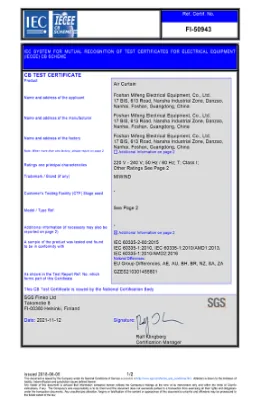
Name the reference
AMCA commonly appears in air performance or rating-program discussions. ANSI/AMCA 220 may appear when air curtain performance is part of an entrance or vestibule discussion. ASHRAE 90.1 appears as building energy-code context, not as a product badge. HVI appears in residential ventilation contexts. ENERGY STAR relates to eligible efficiency program status. UL, ETL, and NRTL language concerns electrical safety listing context.
Those terms should not be blended into one broad badge statement. Submittal documents, submittal notes, product pages, and buyer documents may each need a different document request.
Treat vestibule-exception language as project details
ASHRAE 90.1 vestibule language is useful because it tells buyers which project questions may matter at commercial entrances. It does not automatically make a product family suitable, listed, rated, or accepted for a specific doorway.
When a buyer mentions a vestibule exception, collect the door size, mounting condition, entrance design, climate, project jurisdiction, requested standard language, and model documents needed for review. Keep that discussion in a document request until the requirement and model data are clear.
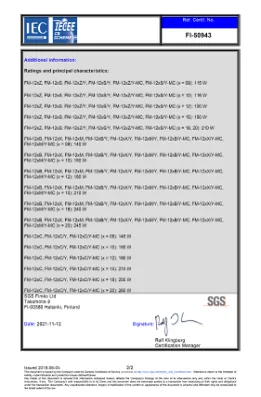
Keep company certificates separate from model data
A company certificate image can help a technical conversation, but it does not automatically support a specific product statement. Product-family pages should keep certification wording tied to matching model documents.
This is especially important for a US-facing distributor site because certification language can affect buyer trust, submittal review, and project approval.
Keep wording tied to the model
If a document confirms one narrow detail, do not expand it into a broader product claim. If status is unclear or pending, keep it in the document request until confirmed.
MiWind equipment families may require different model data. Air Curtains, Fresh Air Systems, Exhaust Fans, and other equipment should not inherit the same wording by category.
Write for buyer documents
A buyer, engineer, code reviewer, or distributor may ask for different evidence even when they use the same reference name. The document request should state the equipment family, model if known, intended use, reference name, project details, and the sentence that needs confirmation.
This prevents broad badge language from replacing product-specific evidence. It also helps MiWind respond with the right datasheet, listing document, rating document, declaration, or confirmation note when confirmation exists for the reviewed product.
Keep product wording precise
Product pages should not borrow certification terms from adjacent families, company certificates, overseas model data, or old model data. If the project needs a specific US listing, rating, efficiency status, or program reference, the page should point the buyer toward model data.
Precise wording protects the distributor relationship because it keeps sales language, technical model data, and project approval expectations aligned.
Route the document request correctly
If the buyer needs a safety listing, the document request should not be mixed with an efficiency or air-performance discussion. If the buyer needs a rating-program document, the response should not rely on a company certificate image alone.
A clean document request names the reference, equipment family, model if known, and sentence that needs confirmation. That keeps the response precise without overclaiming.
Document request checklist
Before opening a document request, identify the equipment family, model if known, reference name, document need, entrance or room details, jurisdiction or buyer expectation, and the phrase that needs confirmation.
wording creates risk
The main risk is turning an explainer into a product claim. This page explains how to ask for the right documents; it does not certify a product by itself.
Model Data Boundary
The matrix separates reference types so wording stays tied to the right model or project basis.
| Reference | Project details | Product wording | Document request |
|---|---|---|---|
| AMCA / ANSI-AMCA 220 | Air curtain or fan performance/rating context | only when model documents and requirement match | Document request |
| ASHRAE 90.1 | Vestibule-exception or entrance code-path discussion | project check, not a family-wide claim | Project document request |
| HVI | Residential ventilation rating context | Verify from model data, not fan category or non-US certificates | Document request |
| ENERGY STAR | Efficiency program status | only when the product is current in the relevant product list | Program status |
| NRTL / UL / ETL | Electrical safety listing context | Model data and exact wording only | Listing detail |