Fresh air and ERV equipment

Fresh Air and ERV Systems

Plan fresh air and ERV requests around CFM, ACH, climate, humidity transfer, duct resistance, filters, controls, and service access.

Projects need planned outdoor air without guessing at CFM, climate fit, filter pressure, or installation space.

CFM airflow target ACH room exchange ESP duct resistance FLT filter path

Selection Inputs

Fresh Air Room Review

CFM and ACH establish the planning basis; model data closes the equipment review.

Field Data

  1. Define room type, area, ceiling height, expected occupancy, and operating schedule.
  2. Estimate planning CFM or ACH before discussing an ERV, HRV, or fresh air product.
  3. Choose the ERV or HRV direction based on climate, humidity goals, and building use.

Product Checks

Airflow demand CFM first. Recovery path Match recovery type to climate and humidity goals. Duct and filter reality Collect filter and duct data early. Space type Tie CFM to actual use.

Decision matrix

CFM
How much outdoor air the project is planning around. / Ventilation CFM calculator.
ACH
How quickly the room air volume is exchanged. / CFM to ACH comparison.
ERV vs HRV
Whether humidity transfer should be part of the review. / ERV/HRV guide.
External static pressure
Whether equipment can move air through ducts, filters, and grilles. / Collect duct route and filter data.

Products

Fresh Air and ERV Series

Compare fresh air units, ERV products, and HRV options by CFM range, recovery type, duct path, filter access, and service space.

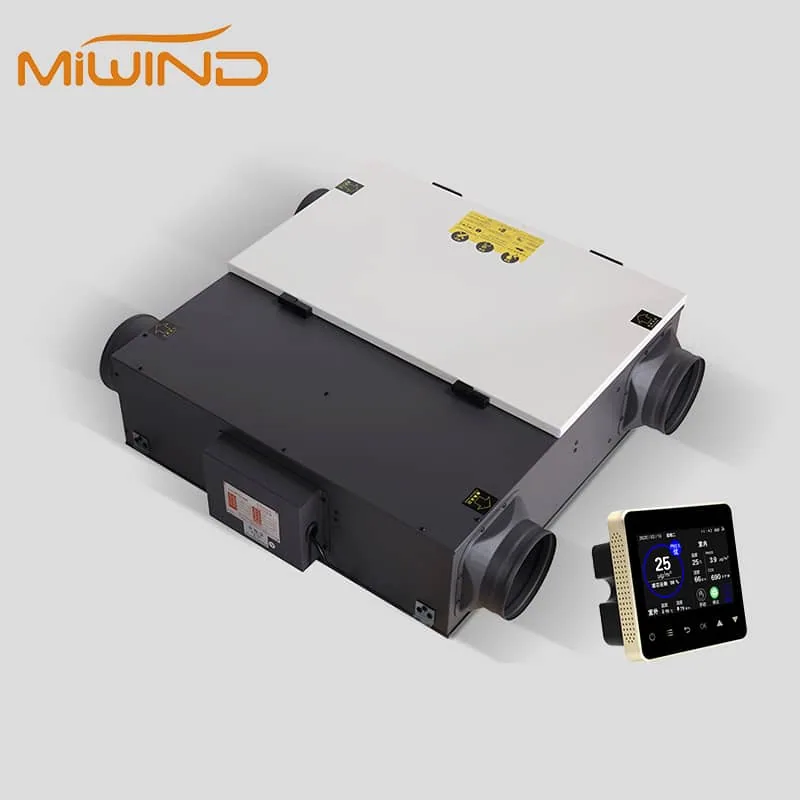
Heat Recovery Ventilation Series product image

Fresh air series

Heat Recovery Ventilation Series

HRV/fresh-air equipment line for heat exchange, filtration, and light-commercial ventilation.

Fit profile
Space use
Offices
Air path
Classrooms
Service focus
Hotels
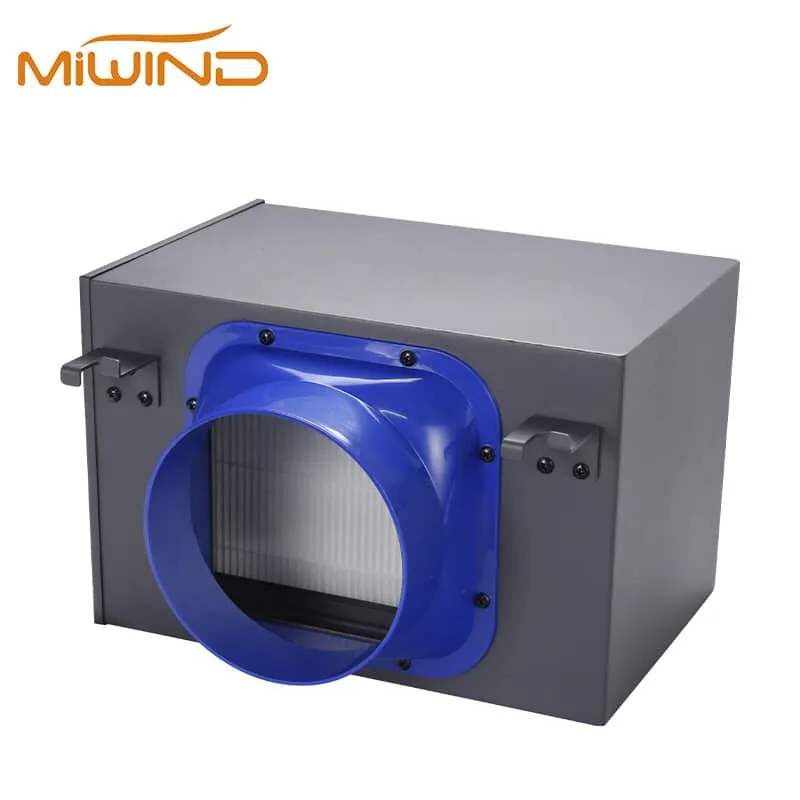
Air Filter Box Series product image

Fresh air series

Air Filter Box Series

Filter-box line for pre-filter, carbon, and HEPA paths in fresh-air systems.

Fit profile
Space use
Fresh air filtration
Air path
PM2.5 reduction review
Service focus
Ducted filter support

Application intake

Room use, airflow basis, and service path.

Application fit, product family, calculator, and model data stay together.

SpaceInputs to collectNext step
Office or classroomArea, occupancy, fresh air target, filter expectationCFM worksheet and ERV/HRV review
Gym or fitness roomPeak occupancy, humidity, odor load, operating scheduleFresh air and moisture-control review
Cafe or small commercialCustomer area, kitchen adjacency, door use, noise sensitivityCFM estimate and duct-path review
Multi-room residential-adjacentRoom list, duct routes, climate, filter replacement accessModel-level review
Storage or utility supportVolume, odor/moisture source, duty cycle, access constraintsVentilation path review

Product Series

Fresh Air System Comparison

Compare duct path, service side, and the model data basis before choosing the ERV or filter-box page.

SeriesApplicationDuct pathFile basisAction
Heat Recovery Ventilation Unit product imageHeat Recovery Ventilation SeriesHeat Recovery Ventilation UnitFresh air planning, Heat recovery ventilationDucted HRV / fresh-air unit; orientation and service sidePre-filter, carbon filter, or HEPA filter pack; confirm selected packView series
Air Filter Box product imageAir Filter Box SeriesAir Filter BoxFresh air filtration, Ducted filter supportDuct-mounted filter box; confirm access direction and exact dimensionsPre-filter, carbon filter, or HEPA filter packView series

FAQs

Technical FAQs

Is an ERV always better than an HRV?

No. Climate, humidity goals, building use, and equipment files all matter. The ERV vs HRV guide helps frame the first discussion.

Can the calculator replace mechanical design?

No. It gives planning-level airflow ranges for an inquiry, not final engineering approval.

What should be checked before choosing ERV or HRV?

Review climate, indoor humidity goal, occupancy, filter access, duct route, and service clearance before narrowing the equipment family.