Inline and duct fan equipment

Ventilation Fan

Frame inline and duct fan selection around CFM, static pressure, duct route, fittings, controls, sound, and service access.

Ducted systems need a fan selected around CFM, duct path, pressure loss, noise sensitivity, and service access.

CFM airflow target SP static pressure DIA duct diameter RUN duct route

Selection Inputs

Duct Fan Pressure Review

A duct fan project should describe the airflow target and the resistance the fan must overcome, so the first model review reflects the real installation.

Field Data

  1. Define the duty: exhaust, supply assist, transfer air, makeup support, or duct booster.
  2. Estimate planning CFM from room volume, application, occupancy, equipment load, or known design target.
  3. Map duct diameter, run length, elbows, transitions, filters, grilles, dampers, and discharge path.

Product Checks

Airflow target Lock the airflow target. Pressure path Map the full duct path. Noise and velocity Capture sound sensitivity. Motor and controls Confirm voltage and controls.

Duct path matrix

Target CFM
Sets the airflow goal before choosing a fan body. / Ventilation CFM calculator.
Static pressure
Shows whether the fan can move air through the real duct path. / Estimate fittings, filters, grilles, and discharge loss.
Duct diameter
Affects velocity, noise, and pressure loss. / Capture diameter and material.
Elbows and fittings
Each turn and transition adds resistance. / Count fittings before product recommendation.

Products

Ventilation Fan Series

Compare ventilation fan series by airflow target, static pressure, duct diameter, noise sensitivity, motor type, cabinet access, and service path.

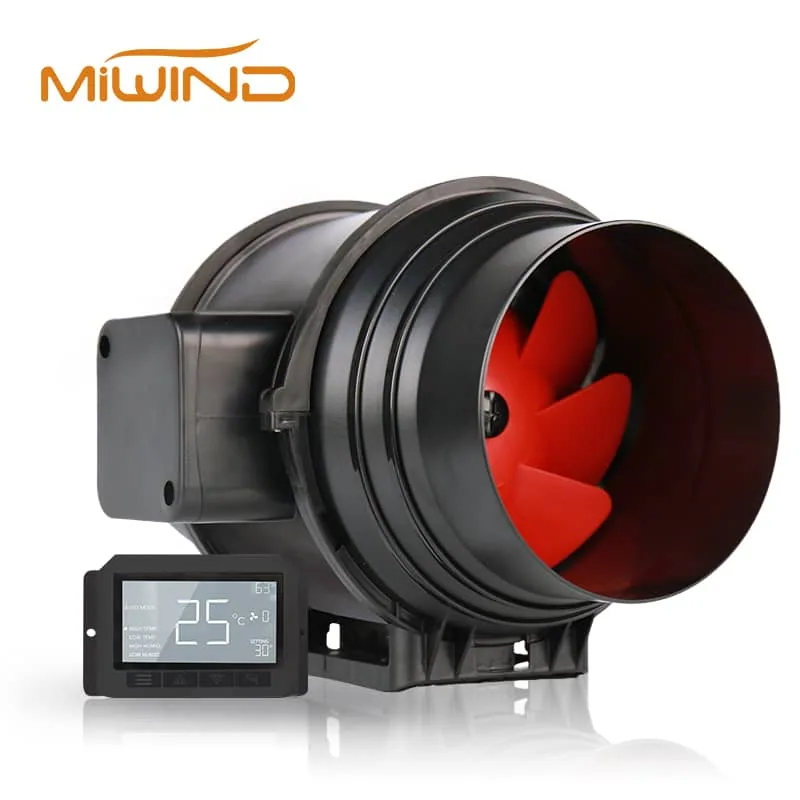
Inline Duct Fan Series product image

Ventilation fan series

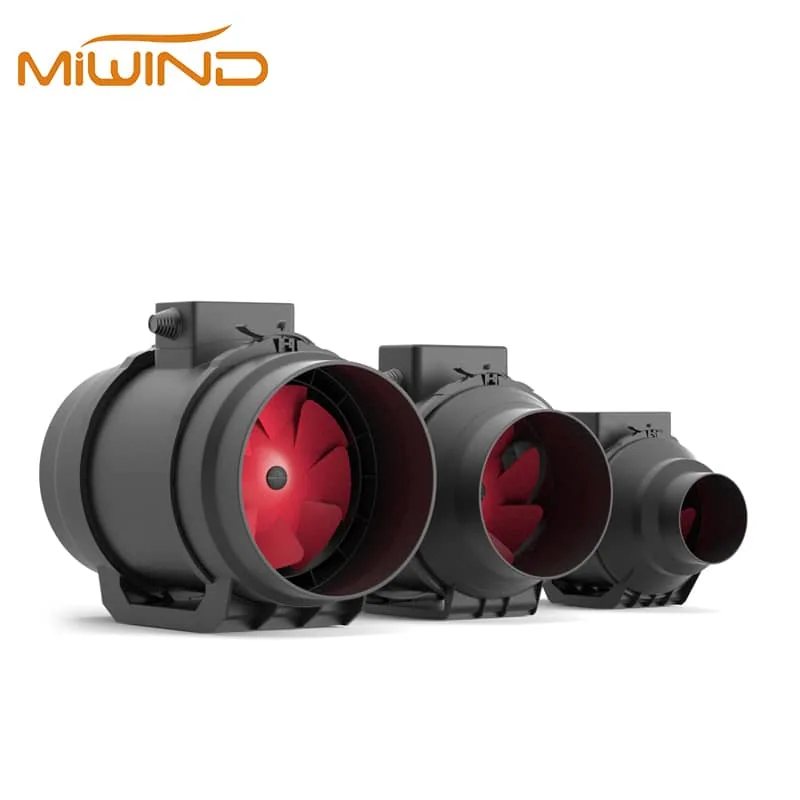
Inline Duct Fan Series

Inline duct fan line for 4, 6, 8, 10, and 12 inch duct runs where CFM, pressure, access, and controls need review.

Fit profile
Fan duty
Ducted ventilation
Duct condition
Restrooms
Review focus
Utility rooms
EC Inline Duct Fan Series product image

Ventilation fan series

EC Inline Duct Fan Series

EC inline fan line for brushless motor, multi-speed, temperature, and humidity-control review.

Fit profile
Fan duty
Energy-conscious ducted ventilation
Duct condition
Humidity-responsive airflow
Review focus
Multi-speed control review
Circular Duct Fan Series product image

Ventilation fan series

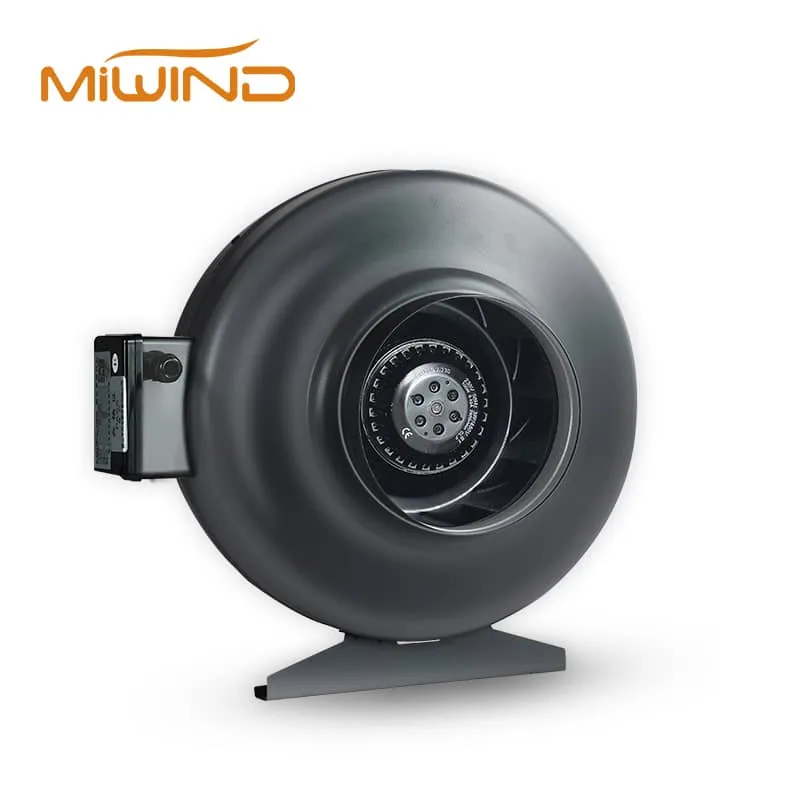
Circular Duct Fan Series

Circular duct fan line with full metal housing and outer-rotor motor context.

Fit profile
Fan duty
Circular duct runs
Duct condition
Metal-housing fan review
Review focus
General ventilation
Booster Fan Series product image

Ventilation fan series

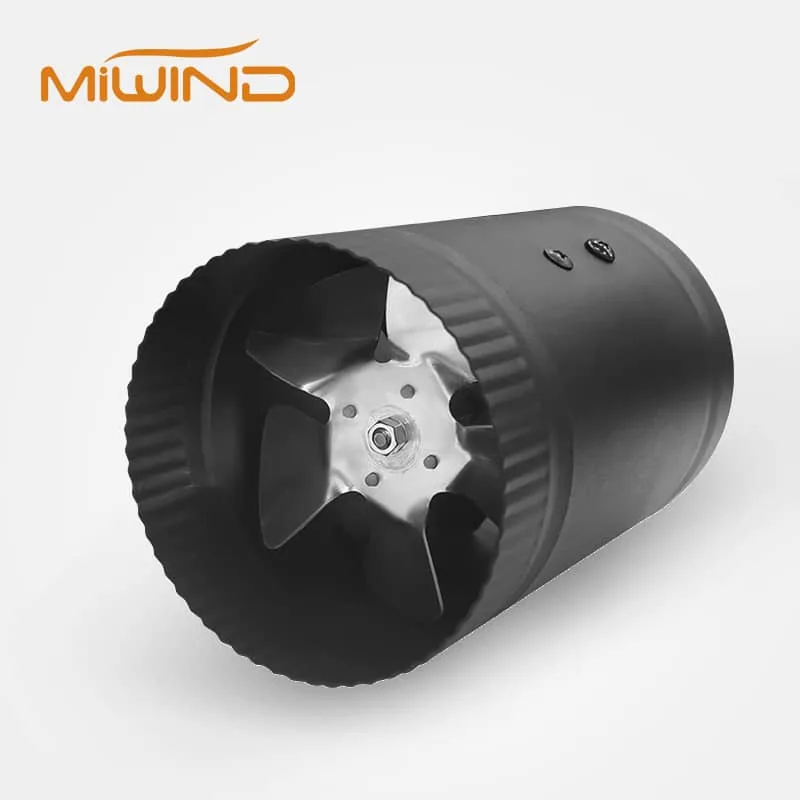
Booster Fan Series

Booster fan line for 4, 6, and 8 inch duct-assist runs where the duct route, elbows, pressure loss, and target airflow are known.

Fit profile
Fan duty
Duct boost
Duct condition
Simple installation review
Review focus
Support airflow
HEPA Purified Duct Fan Series product image

Ventilation fan series

HEPA Purified Duct Fan Series

Duct fan line with carbon and HEPA filtration context for filtered-air review.

Fit profile
Fan duty
Filtered duct airflow
Duct condition
Carbon and HEPA filter review
Review focus
Fresh air support
Cabinet Centrifugal Fan Series product image

Ventilation fan series

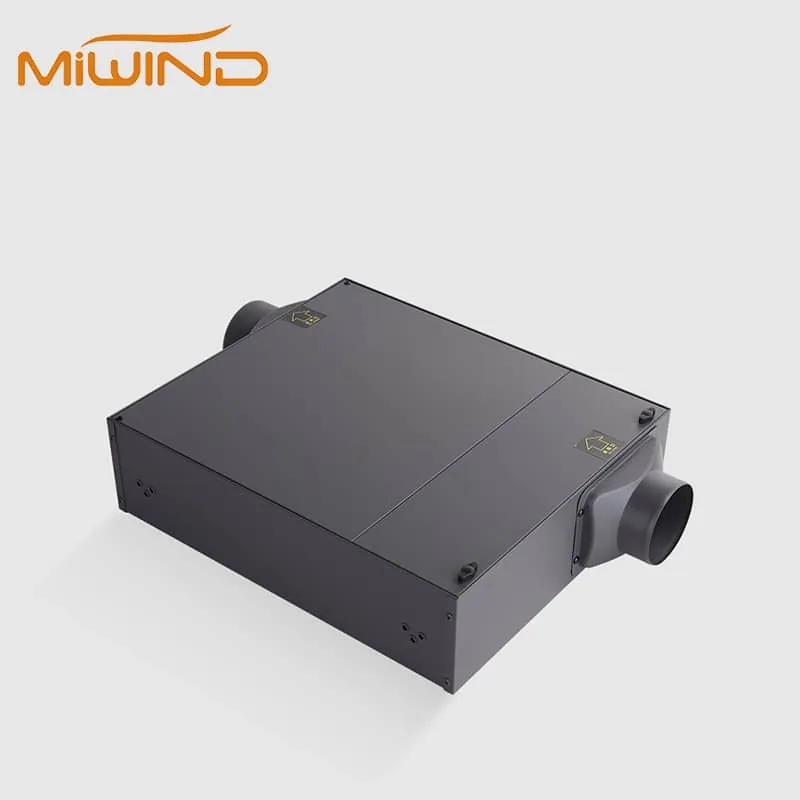
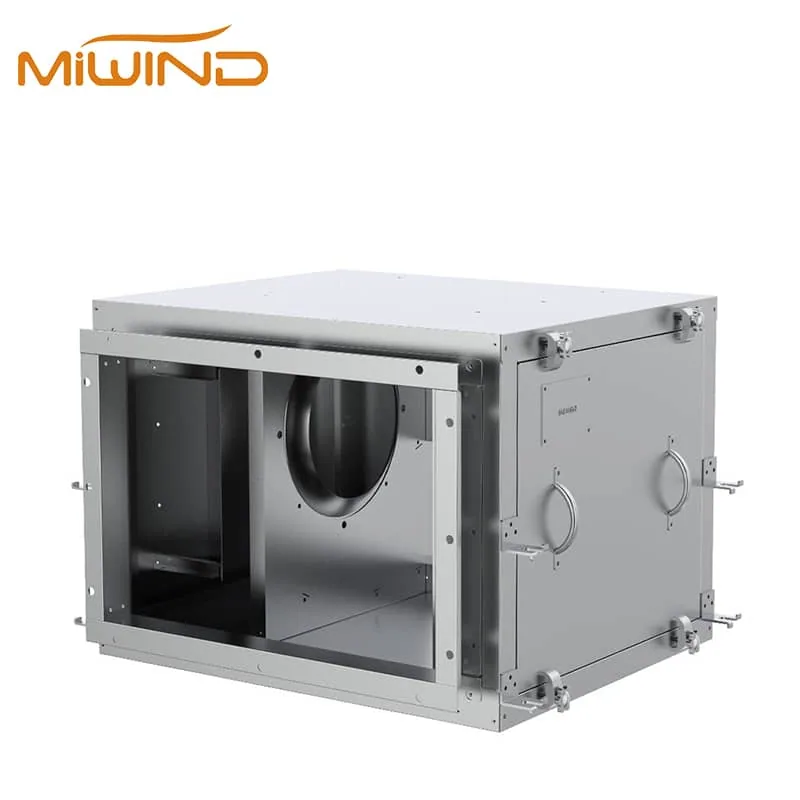
Cabinet Centrifugal Fan Series

Cabinet centrifugal fan line for industrial airflow, pressure, phase, and service review.

Fit profile
Fan duty
Industrial airflow
Duct condition
Equipment rooms
Review focus
High-pressure utility ventilation

Application intake

Duct Fan Selection Data

The same CFM target can require different pressure, sound, and documentation.

ApplicationInputs to collectFirst action
Bathroom or restroom exhaustCFM target, duct route, roof or wall termination, sound sensitivityCFM plus duct pressure check
Storage or utility roomRoom volume, heat or odor source, duty cycle, access panelsExhaust or transfer-air review
Restaurant support spaceMakeup path, odor source, grease adjacency, duct cleaning accessApplication-specific technical review
Warehouse or equipment roomHeat load, long duct runs, discharge path, controlsPressure class and serviceability review
Fresh air supportOutdoor air target, filter path, duct length, noise limitsERV/fresh air or inline fan path review

Product Series

Ventilation Fan Comparison

Compare duct application, body fit, and pressure or control details before opening model data.

SeriesApplicationBody fitFile basisAction
Inline Duct Fan product imageInline Duct Fan SeriesInline Duct FanDucted exhaust, Ventilation booster applications4/6/8/10/12 inch options available; confirm exact dimensionsFan curve needed for the selected pressure pointView series
EC Inline Duct Fan product imageEC Inline Duct Fan SeriesEC Inline Duct FanEC motor review, Temperature or humidity response4/6/8 inch options available; confirm exact dimensionsspeed, temperature, and humidity control packageView series
Circular Duct Fan product imageCircular Duct Fan SeriesCircular Duct FanCircular ducts, General exhaust4/5/6/8/10/12 inch options available; confirm exact dimensionsCFMView series
Booster Fan product imageBooster Fan SeriesBooster FanDuct booster applications, Support airflow4/6/8 inch options available; confirm exact dimensionsCFMView series
HEPA Purified Duct Fan product imageHEPA Purified Duct Fan SeriesHEPA Purified Duct FanFiltered duct airflow, Fresh air support4/6/8 inch options available; confirm exact dimensions2-speed or other control packageView series
Cabinet Centrifugal Fan product imageCabinet Centrifugal Fan SeriesCabinet Centrifugal FanIndustrial ventilation, Equipment roomsinch dimensionsfan curve and pressure classView series

FAQs

Technical FAQs

Can I size an inline fan by duct diameter only?

No. Duct diameter is only one input. CFM target, duct length, elbows, filters, and pressure loss affect selection.

When does static pressure become important?

Static pressure matters whenever the fan must move air through long ducts, elbows, filters, grilles, dampers, or restrictive terminations.

What information helps compare inline fan options?

Target CFM, duct size, equivalent duct length, control needs, sound sensitivity, and service access should be reviewed together.