
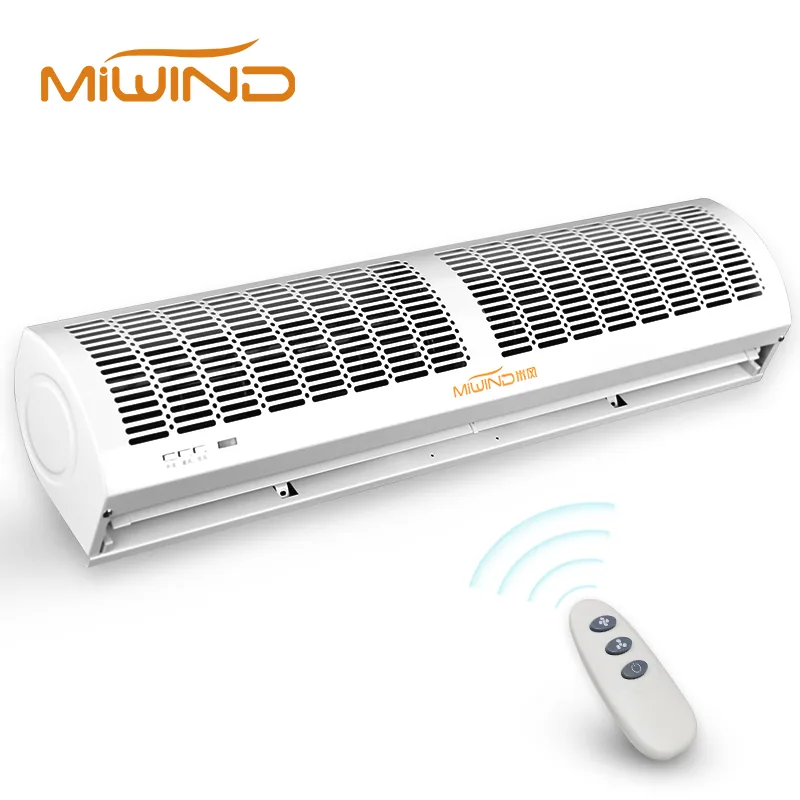
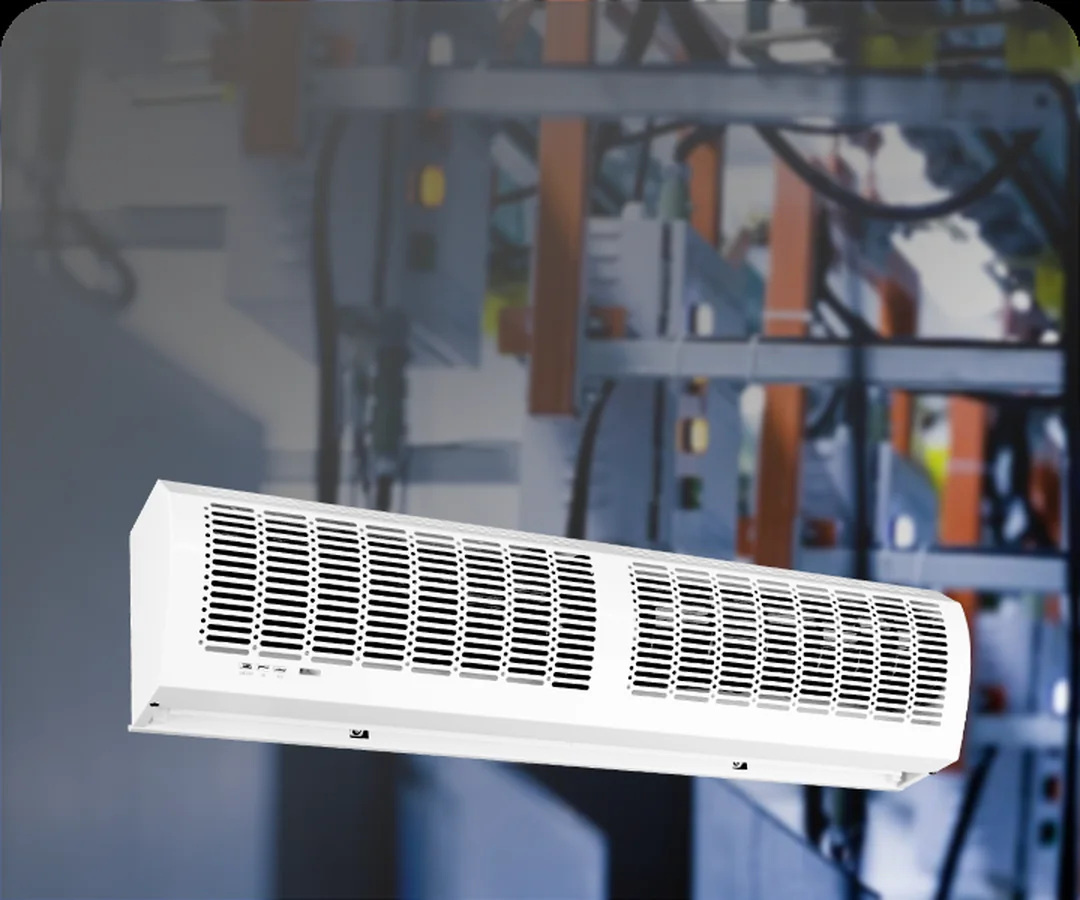
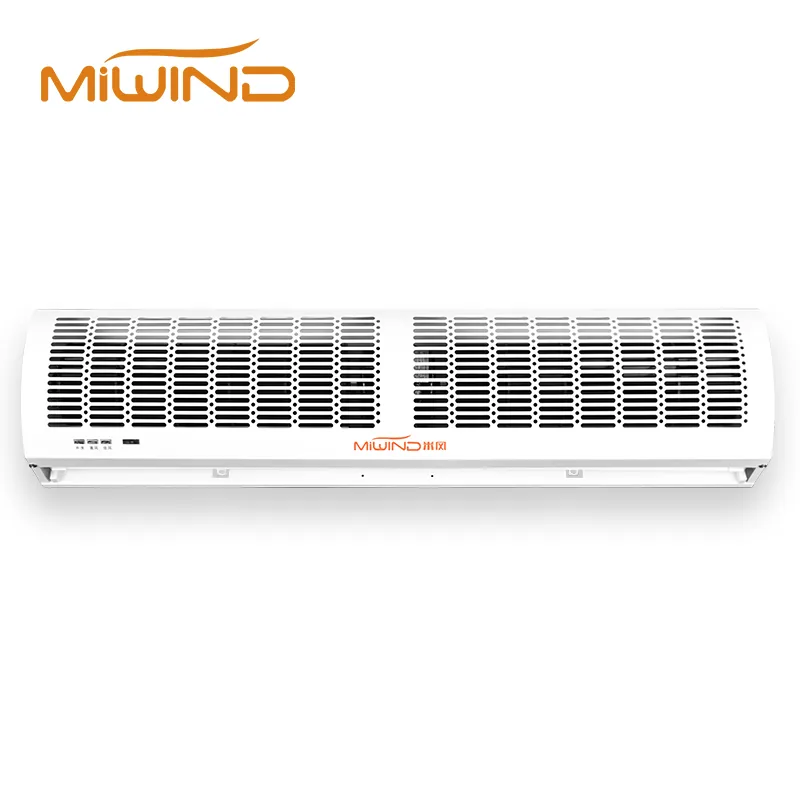
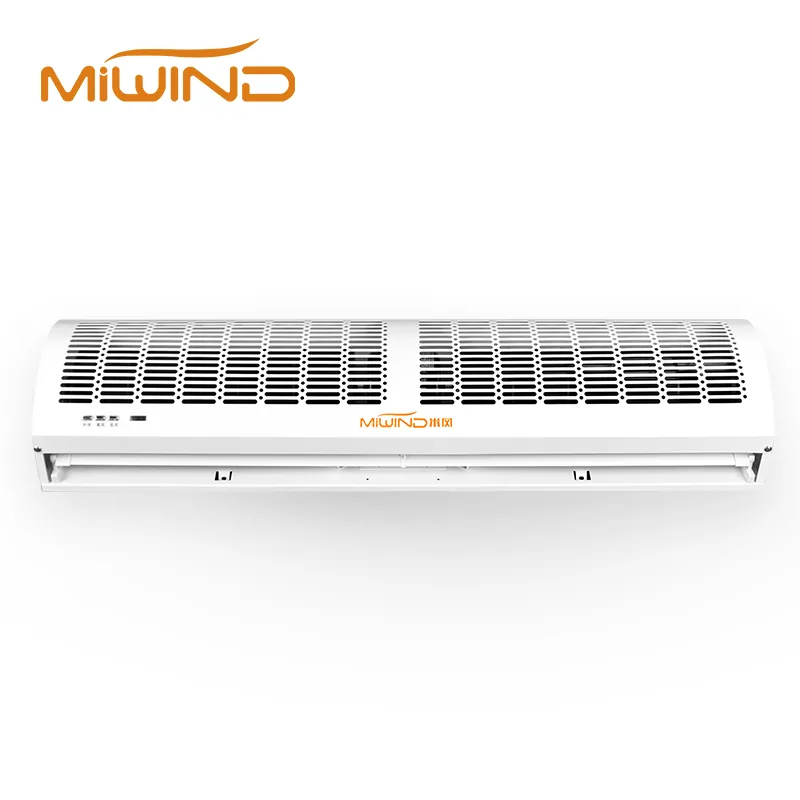
Q Cross-Flow Air Curtain Series

Air Curtains

Start here when the project needs air curtains for retail doors or storefront entrances. Confirm dimensions, voltage, access, controls, and current model documents before selecting an exact model.

  • Retail doors
  • Storefront entrances
  • Restaurant doors
  • Small commercial entries
Typical uses
4 checks
Product documents
1 available
Request model documents
Model review

Models

Choose the model that matches the opening, airflow duty, mounting condition, and electrical option.

Q Series

Q Cross-Flow Air Curtain

Cross-flow door air curtain for shops, restaurants, and common commercial entrances that need a compact unit, metal housing, and uniform discharge across the opening.

Airflow
Air velocity 11 / 9 m/s high / low; confirm exact airflow by modelModel check
Voltage
Confirm the US voltage optionModel check
Mounting
Surface-mounted door unit; installation height 2.0-2.5 mProject input
Applications and build notes

Typical uses

  • Shops
  • Restaurants
  • Common commercial entries

Build notes

  • Cross-flow aerodynamic design for even doorway discharge
  • Rust-resistant metal housing for commercial entrance use
  • Copper-wire motor details
  • Customization path for project width and finish review
Model dataCheck current model documents before quote or submittal use.

Applications and installation

For submittal documents or current model documents, prepare door dimensions, mounting height, voltage, heated or unheated preference, controls, quantity, and any certification or document requirement by exact model.

Typical uses

Review doorway width, clear opening height, traffic pattern, wind exposure, and whether the entrance is retail, restaurant, cold-room, or service-door use. Treat a restaurant entrance air curtain with frequent door traffic as a separate review from a cold-room or low-traffic interior opening.

Product fit

Review this series when the project needs a surface-mounted door air curtain. Move to another series when the opening needs a different motor class, heated construction, recessed mounting, cold-storage duty, or wider industrial coverage.

Installation

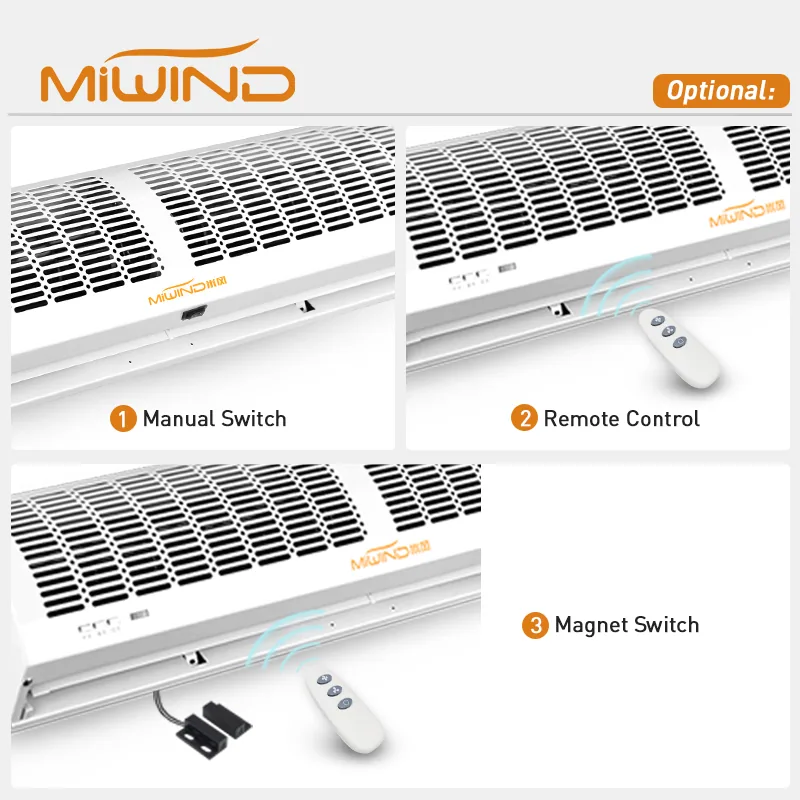
Check header clearance, bracket position, electrical access, door sensor expectations, and discharge direction before treating the model as ready for ordering. Photos of the doorway usually improve the first review.

Parameters

Read airflow, velocity, sound, width, voltage, and control notes together. A door-width match alone is not enough when comfort, insect control, heating, or cold-room separation is part of the decision.

Sizing inputs

Open doors create comfort complaints, insect entry, dust movement, and temperature swings that need doorway-specific review.

  • Start with finished door width, finished door height, and mounting height.
  • Confirm whether the opening is indoor-to-outdoor, conditioned-to-unconditioned, or cold-room service.
  • Review voltage, heating preference, control method, and available mounting space before model selection.
  • Door width
  • Mounting height
  • Heated or unheated
  • Voltage
  • Air velocity or airflow data
  • Sound rating where available