
Project conditions
Zone First
Using the full building volume as the first assumption can blur the review. It is more useful to identify the loading area, equipment room, storage zone, or moisture issue and then attach dimensions, door exposure, heat source, humidity, or airflow target to that zone.
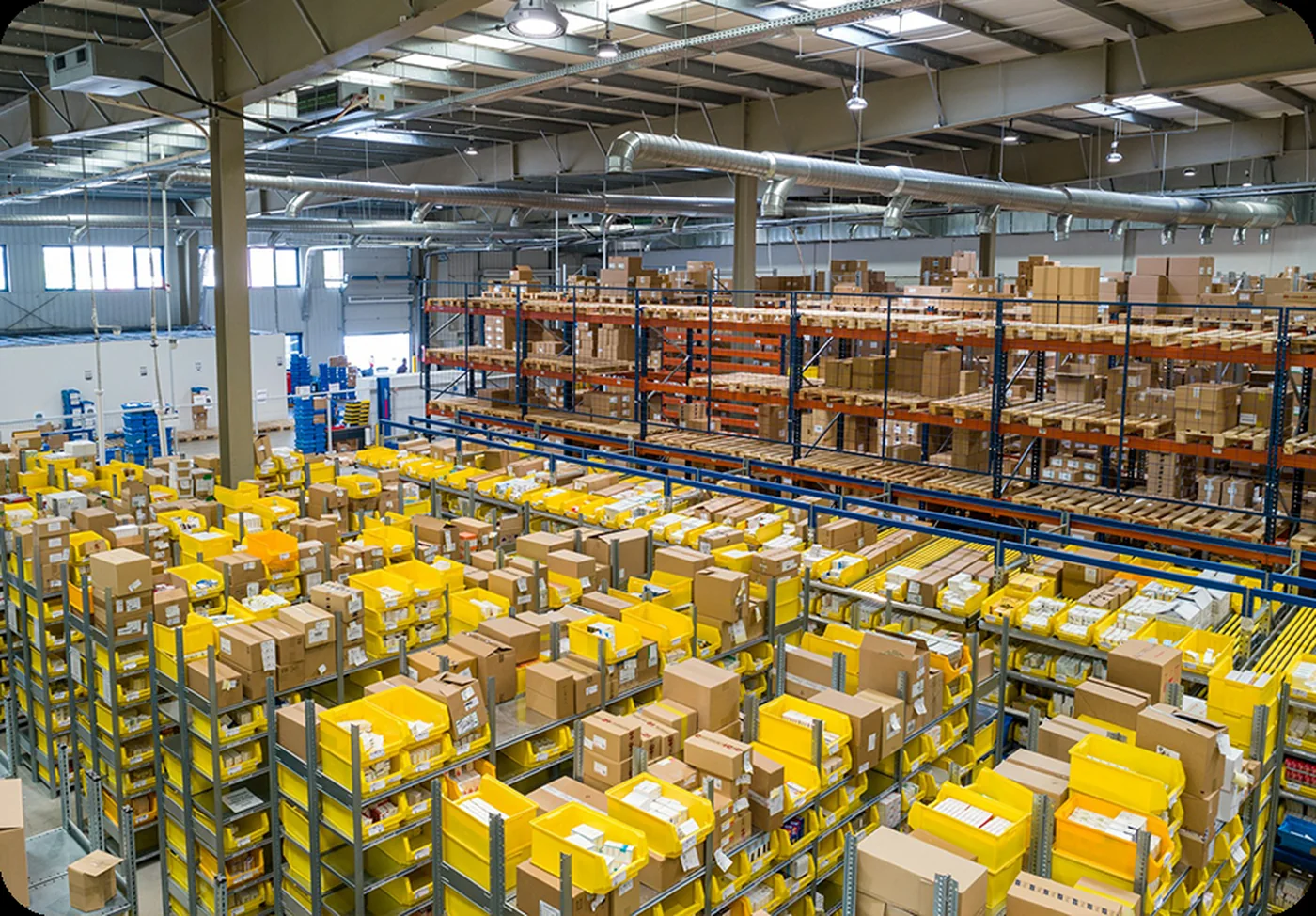
Manufacturing plants, industrial workshops, warehouses, and logistics centers should be described by the zone that actually has the heat, dust, pollutant, door-exposure, comfort, or moisture problem.
For greenhouse and grow-room requests, the same zone review should keep stable airflow, temperature control, humidity management, mold risk, and plant disease risk together before deciding between inline duct fan, exhaust fan, dehumidifier, or combined review.
High ceilings and service access also matter. A practical equipment choice needs mounting location, voltage, controls, filter access, and maintenance clearance beside the airflow conversation.
Equipment fit
Warehouse Equipment Fit
Air curtains belong at exposed doors and service openings. Ventilation fans fit ducted or utility airflow paths, while dehumidifiers fit moisture-sensitive zones.
The final package should keep performance, electrical, sound, controls, and certification details tied to the selected equipment family and exact model data.
Project data
Warehouse pages should route by zone: door separation, ducted airflow, exhaust, or moisture control.
- Active zone, not the whole building by default
- Zone area, ceiling height, and known CFM or ACH target
- Door size, exposure, and traffic pattern
- Greenhouse or grow-room humidity, temperature, airflow, mold-risk, or plant disease-risk notes
- Heat, moisture, voltage, and service-access constraints