
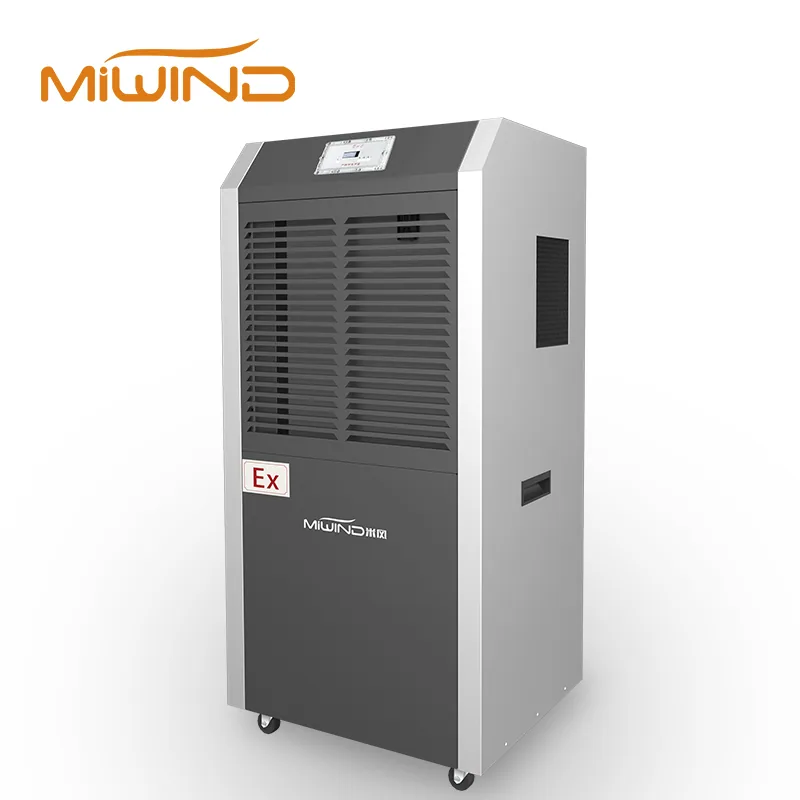
Find the moisture source
Capture current RH, target RH, visible condensation, odor, stored material risk, activity level, and seasonal conditions. A mildly damp storage room and a high-use gym can have similar area but very different moisture behavior.
When stale air, heat, or odor is part of the complaint, ventilation may need to be reviewed alongside dehumidification instead of simply increasing the pints/day class.
Temperature and duty cycle change the equipment discussion
Cooler spaces and seasonal swings can affect dehumidifier performance and maintenance expectations. Operating temperature should be captured before the equipment family is reviewed.
Duty cycle also matters. A product used occasionally in a storage room is different from a unit expected to manage moisture during daily occupancy, washdown, or active fitness use.
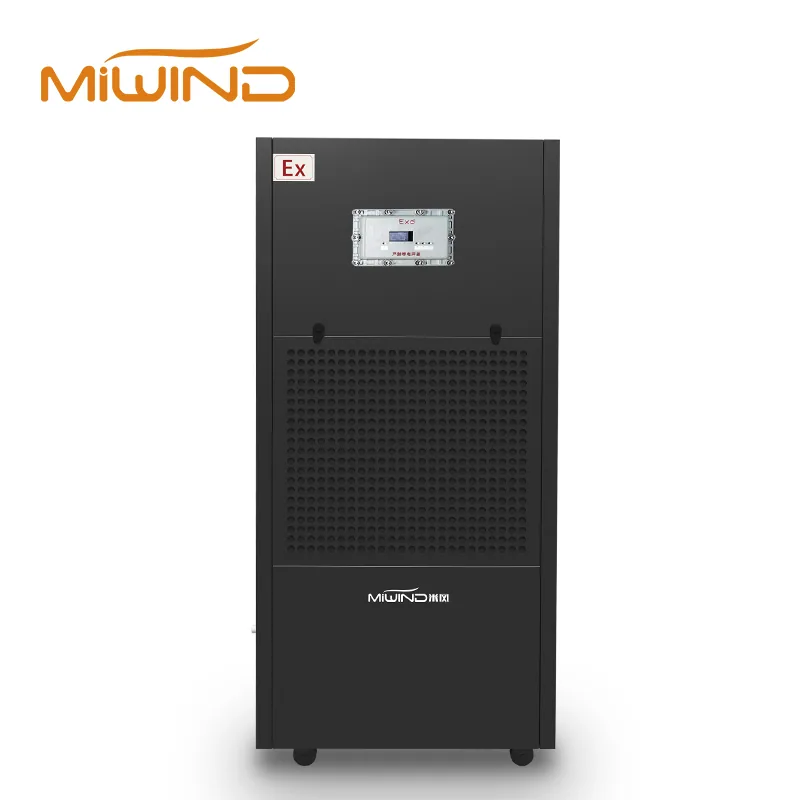
Treat drainage and access as selection factors
Drainage is not a detail to solve after the model is chosen. Gravity drain, pump requirement, floor drain location, hose route, electrical access, and service clearance can decide whether a product will be practical.
MiWind Dehumidifiers are the core family, while cabinet or fan products may be relevant when moisture control overlaps with odor, heat, or airflow problems.
Check ventilation overlap
Moisture control can fail when the room is also short on exhaust, outdoor air, or circulation. A dehumidifier can remove water from the air, but it does not automatically solve odor, heat buildup, or pressure problems.
When a project mentions stale air, frequent door opening, process moisture, fitness use, stored materials, or washdown, carry ventilation notes alongside the capacity class. That keeps the request connected to MiWind Dehumidifiers, Fresh Air and ERV Systems, Exhaust Fans, or fan products as needed.
Describe the operating profile
A storage room that drifts above the target humidity in summer is different from a space that produces moisture every day. Seasonal runtime, occupancy schedule, door opening, water source, and temperature range should all be visible before capacity is discussed.
This operating profile also affects maintenance. Drain routing, filter access, condensate handling, and service clearance can decide whether a theoretically suitable size will work in the room.
Know when the equipment class changes
A small storage space may only need a straightforward dehumidifier selection. A fitness room, utility area, or warehouse zone may need a larger duty cycle discussion, drainage planning, and ventilation planning.
If moisture is tied to process use, frequent door opening, or persistent odor, do not treat the pints/day class as the whole answer. Keep airflow and source notes beside the moisture calculation.
Capacity class check
The short check forms a rough pints/day class from area and moisture severity. Keep temperature, drain method, and duty cycle with the result.
Enter area and moisture severity to form a quick capacity class.
Beyond square footage
The common error is to size by area while ignoring RH, temperature, source, drain path, and service access. A professional review keeps those conditions visible before comparing model data.
Moisture Condition Matrix
The matrix separates mild dampness, persistent moisture, active spaces, and utility rooms.
| Space condition | Project facts | Related page | MiWind family |
|---|---|---|---|
| Basement or storage | Area, RH, temperature, drainage, stored material | Dehumidifier Sizing Calculator | Dehumidifiers |
| Gym or active space | Occupancy, humidity source, schedule, ventilation notes | Dehumidifier and Ventilation CFM Calculators | Dehumidifiers plus ERV selection |
| Warehouse zone | Zone boundary, humidity target, access, electrical, stored-goods sensitivity | Dehumidifier Sizing Calculator | Industrial or warehouse dehumidifier selection |
| Cold storage or cold-adjacent room | Temperature, RH, door cycle, drainage, service access | Dehumidifier Sizing Calculator | Cold storage dehumidifier selection |
| Grow room or greenhouse | Area, RH target, temperature stability, airflow path, mold or plant disease risk | Ventilation CFM and Dehumidifier Calculators | Ventilation plus moisture-control selection |
| Utility or equipment room | Heat, moisture, odor, airflow path, service access | Dehumidifier Sizing Calculator | Dehumidifier plus fan support |
| Commercial unit request | Humidistat, 24-hour timing, drainage, electrical option, service clearance | Dehumidifier Sizing Calculator | Commercial Dehumidifier |
| Compact unit request | Basement or storage room, frost handling, fresh-air path, drainage, fault self-checking | Dehumidifier Sizing Calculator | Compact Dehumidifier |
Dehumidifier public data boundaries by equipment option
The source material supports control, drainage, application, and document-boundary fields; it does not publish final capacity or certification claims without model documents.
| Equipment option | Published public fields | Document check | Selection use |
|---|---|---|---|
| Commercial Dehumidifier | Humidistat, 24-hour timing, drainage, warehouses, gyms, hotels, offices, shopping malls, and storage rooms | Capacity, electrical, sound, and operating limits require current model documents | Collect RH target, temperature, moisture source, drain path, service clearance, and duty cycle |
| Compact Dehumidifier | Continuous drainage, frost handling, fresh-air path, fault self-checking, basements, storage rooms, and small commercial rooms | Capacity, electrical, sound, and operating limits require current model documents | Confirm smaller-room moisture load, operating temperature, service clearance, and condensate path |