
Use CFM and ACH as room-volume language
CFM describes airflow rate. ACH compares airflow to room volume. Together they can frame a ventilation discussion, but neither one selects equipment without room use, source condition, duct route, and product data.
A high ACH in a small room and the same CFM in a larger room can mean very different project expectations.
Keep duct, sound, and moisture terms in context
Static pressure belongs with duct length, elbows, filters, grilles, and termination. Sones belong with CFM, duct restriction, mounting, and room sensitivity. Pints/day belongs with humidity, temperature, drainage, and duty cycle.
Glossary terms should point toward the right guide or tool, not replace the guide.
Keep certification and warranty terms model-level
Listing, rating, certification, warranty, availability, and lead-time language should be handled through model data. These are not casual glossary labels when they appear on product pages or submittal documents.
When a term affects buyer documents or project approval, the next step is model data, not a definition.
Let terms point somewhere useful
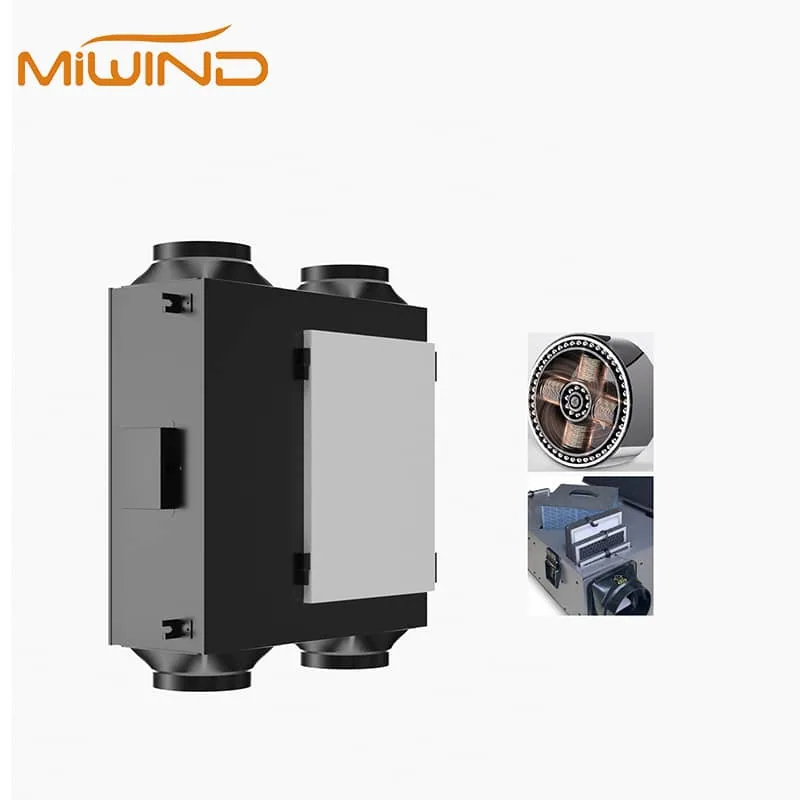
CFM should lead toward ventilation, exhaust, or fan selection. ACH should lead back to room volume. Static pressure should lead toward the duct path. Sones should stay beside CFM and mounting. ERV and HRV should lead toward fresh-air recovery, humidity goals, filtration, and service access.
A good glossary does not ask the reader to memorize vocabulary. It helps the reader choose the next page with the right details still attached.
Keep specifications out of definitions
A definition can explain what a term means, but it should not become a product data sheet. Model airflow, pressure, sound, voltage, efficiency, listing, warranty, and availability belong in model data.
That boundary keeps the glossary helpful for buyers and safer for distributors who need exact model data before making a project commitment.
Move from term to guide
After the term is clear, move to the page that carries the project condition. CFM belongs with the ventilation guide, static pressure with duct fan selection, sones with exhaust sound, and pints/day with moisture control.
That path keeps the glossary from becoming a dead end. It turns vocabulary into a cleaner equipment conversation.
CFM to ACH check
Use the conversion when a CFM value needs to be compared against room volume. Keep the room type and airflow purpose with the result.
Convert airflow, area, and ceiling height into a room air-change rate.
Definitions are not specs
Definitions explain language; datasheets and model data carry specifications. Treating glossary text as product data weakens trust and creates unnecessary document risk.
Selection Term Matrix
The matrix connects common terms to the next useful page or equipment family.
| Term group | Project question | Related page | MiWind family |
|---|---|---|---|
| CFM / ACH | How much airflow does this room need? | Ventilation CFM Chart | Fresh Air, Inline Fans, Exhaust Fans |
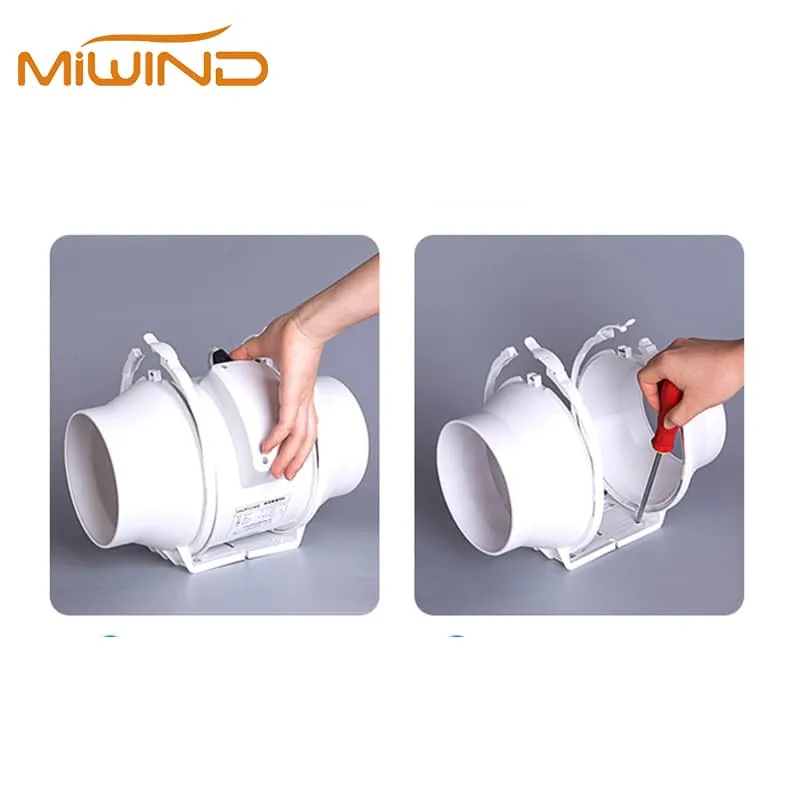
| Static pressure | Will the fan deliver airflow through this duct path? | Duct Fan Selection Guide | Inline and Cabinet Fans |
| Sones | How loud will the exhaust fan feel? | Exhaust Fan Sone Ratings | Exhaust Fans |
| ERV / HRV | Which fresh-air recovery path fits this project? | ERV vs HRV Guide | Fresh Air and ERV Systems |