
Code-path question
A commercial entrance project may ask whether an air curtain can support a vestibule-exception discussion under ASHRAE 90.1. That is a valuable question, but it should not be answered with a broad product-family claim.
Treat an ASHRAE 90.1 vestibule exception air curtain request as a project intake item. Collect the exact wording, doorway geometry, entrance layout, mounting position, candidate model, voltage, controls, photos, and requested AMCA, listing, or reviewer evidence before any claim language is used.
The topic should stay tied to the exact doorway and current model documents, not to a broad series-level promise.
Start with the entrance requirement, not the badge language
ASHRAE 90.1 vestibule-exception language belongs in the project details. It can affect how an entrance is reviewed, but it does not automatically prove that any air curtain model is suitable, listed, rated, or accepted for a specific doorway.
For MiWind, the safe first step is to capture the entrance requirement and the exact wording a buyer, engineer, or reviewer needs confirmed. That keeps the conversation aligned with model documents instead of turning a code topic into marketing copy.
The request should identify whether the buyer is asking about vestibule design, air curtain performance evidence, installation placement, submittal wording, or current model documents. Those are related questions, but they require different documents.
For doorway measurements, use the air curtain sizing calculator. For reference vocabulary, read AMCA, HVI, ENERGY STAR, and ASHRAE 90.1 explained.
ASHRAE and AMCA Review
The useful change is discipline. Once a vestibule-exception question appears, the review should separate building-code context from product performance context and electrical listing context.
AMCA or ANSI/AMCA 220 references may matter when the buyer needs air curtain performance evidence. NRTL, UL, or ETL language may matter when the buyer needs electrical safety listing evidence. ASHRAE 90.1 remains the building energy-code context, so it should be handled as part of a project requirement rather than as a product badge.
That separation protects the buyer and the distributor. It prevents a page from implying that a model meets an entrance requirement before the exact model documents, installation details, and project authority expectations are reviewed.
| Reference | What it usually asks | Safe MiWind handling |
|---|---|---|
| ASHRAE 90.1 | Entrance or vestibule energy-code context. | Treat as project request and request exact wording. |
| ANSI/AMCA 220 | Air curtain performance test context. | Check model documents and requirement fit before using claims. |
| UL / ETL / NRTL | Electrical safety listing context. | Use only matching model-level documents and exact wording. |
Inputs to collect
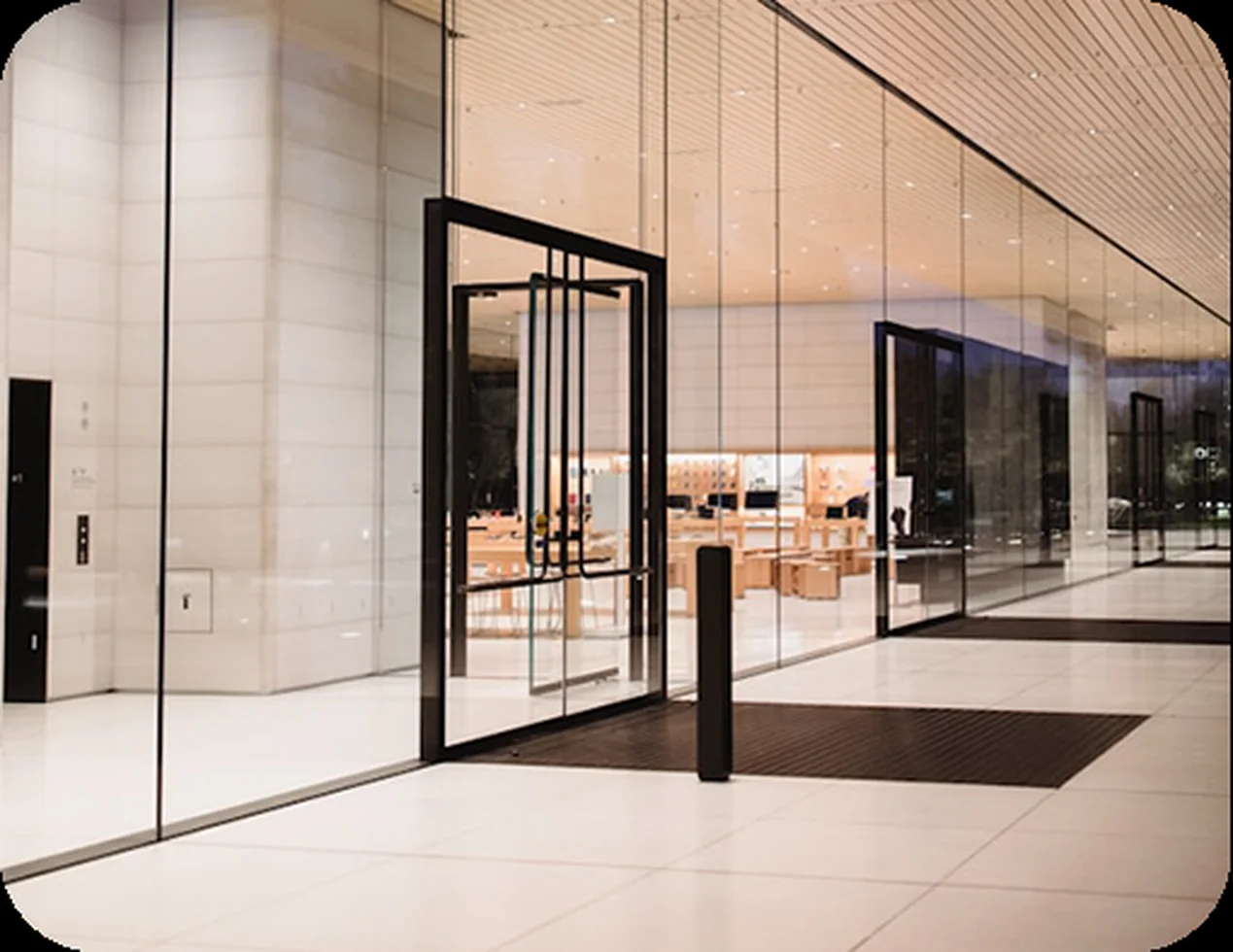
The buyer document request should look more like a submittal intake than a basic quote request. Start with finished door width, clear opening height, mounting height, entrance configuration, operating schedule, and whether a vestibule is already planned or being avoided.
Then add the document requirement: requested standard language, project location or jurisdiction if available, reviewer expectation, selected or candidate model, voltage, controls, and whether the request is for preliminary review or submittal documents.
Photos are useful because the installation condition can affect the review. Header depth, ceiling conditions, nearby signs, sprinklers, door operators, power routing, and service access can all change whether a theoretical code-path discussion survives real placement.
- Door width, clear opening height, and mounting height
- Entrance configuration and vestibule status
- Requested ASHRAE, AMCA, listing, or submittal wording
- Candidate model, voltage, controls, and installation photos
- Project reviewer, jurisdiction, or buyer expectation if known
Use precise wording in buyer documents
Buyer-facing documents should avoid broad statements that make an air curtain series sound accepted for every ASHRAE project requirement or every vestibule condition. A product family, a rating reference, and a building energy-code discussion are separate review items.
Stronger buyer-facing wording is narrower: request current model documents, or send the project requirement for review. That language still helps buyers move forward, but it does not overpromise the product or bypass project authority.
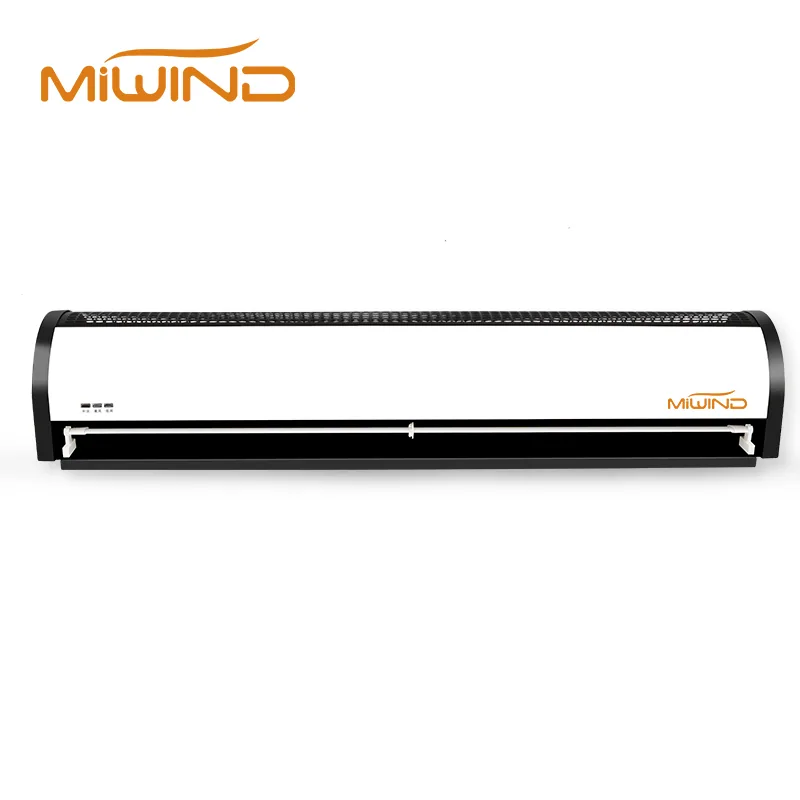
This also keeps MIWIND's tool pages clean. The air curtain calculator can organize doorway and installation inputs; the certification resource can explain reference terms; the RFQ can carry the exact project requirement to the support team.
For conservative document language, open Certification Status. For product-family review, compare MiWind Air Curtains.
Recommended next step
If the project mentions ASHRAE 90.1, vestibules, AMCA, or model-listing evidence, do not start with a catalog screenshot. Start with a compact entrance package and the exact phrase that needs confirmation.
A useful request includes the doorway dimensions, mounting height, entrance design, candidate model if known, voltage, controls, photos, project requirement, and whether the buyer needs preliminary review, datasheet guide, or formal submittal documents.
ASHRAE 90.1 air curtain selection should connect the air curtain sizing calculator, air curtain sizing chart, retail entrance application page, certification-status page, and current model documents before submittal wording is used.
That gives the distributor a real decision path: confirm whether the project needs model documents, a different air curtain series, additional project data, or design-team review before the product is represented in buyer documents.
Build the doorway input package with the air curtain sizing chart. When the entrance notes are ready, send an air curtain project request.