Application Proof

MiWind application proof briefs

MiWind application proof briefs show scene photos, buyer inputs, and equipment direction for air curtain, ventilation, warehouse, cold-room, and commercial kitchen selection paths without inventing customer names or outcome claims.

Application Proof

Anonymous application proof briefs

These briefs show the scene, buyer inputs, and equipment direction a purchaser can send to MiWind. They do not invent customer names, measured savings, local supply status, or installed performance results.

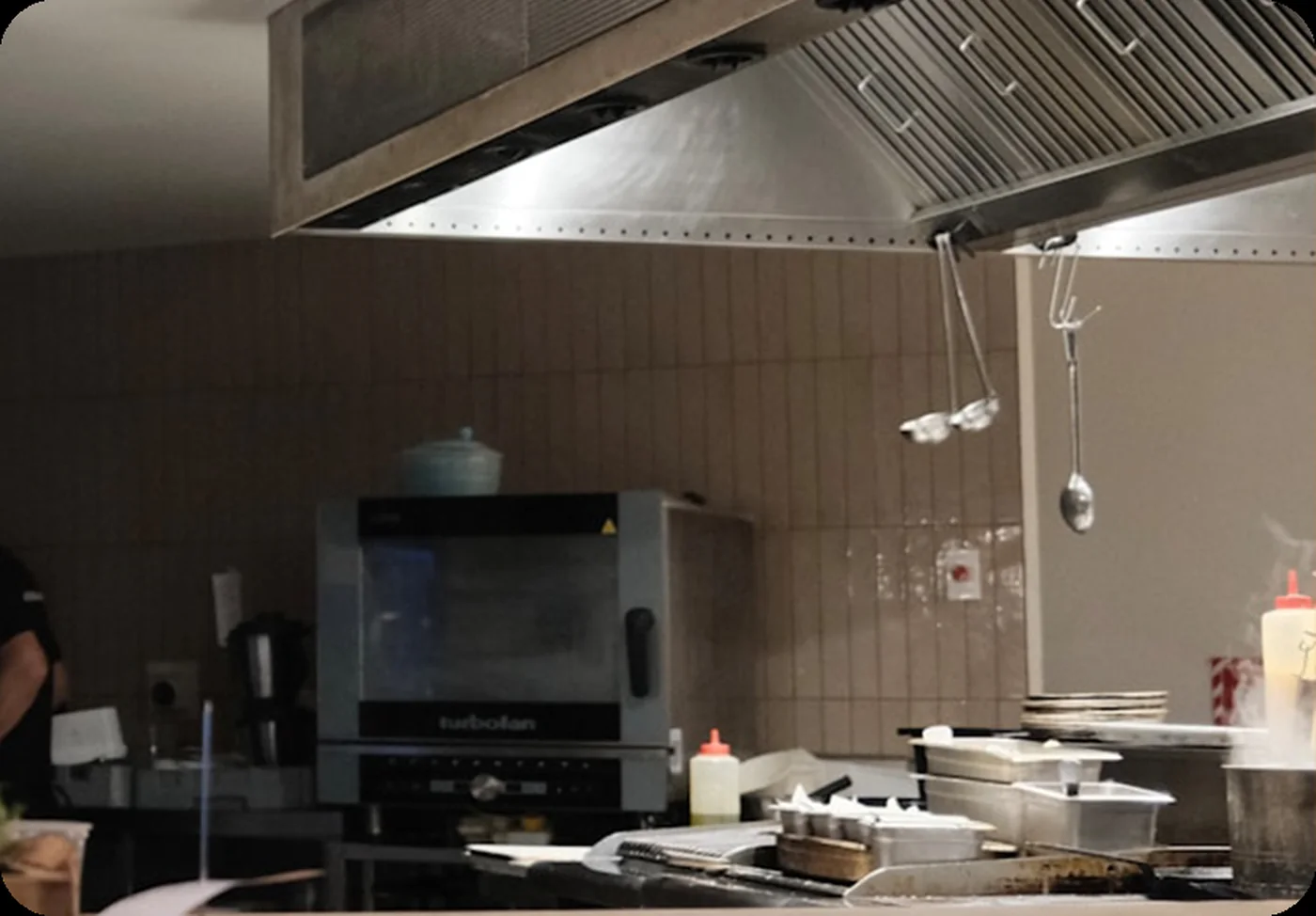
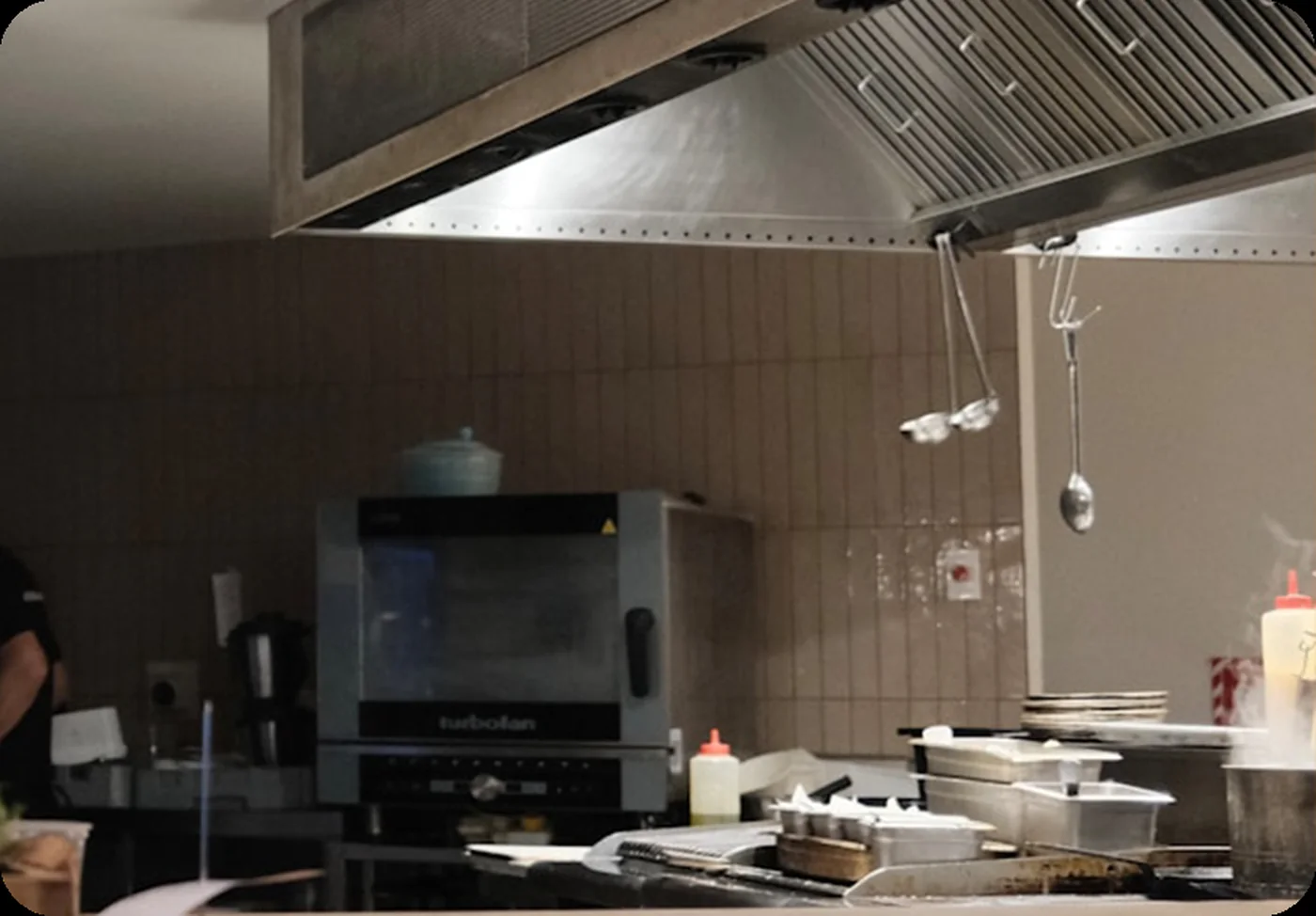
Restaurant kitchen-adjacent ventilation area

Anonymous restaurant entrance and kitchen-adjacent review

Scene: Restaurant entrance, dining comfort, odor separation, and kitchen-adjacent airflow coordination.

Equipment path: A5 Restaurant Air Curtain, Air Curtains, Fresh Air and ERV Systems, and Inline Duct Fans.

Useful buyer inputs: Door width, traffic pattern, dining-room comfort concern, kitchen airflow notes, voltage, controls, and photos.

Use as an application proof brief only; no customer name, savings result, or installed performance claim is published without verified project evidence.

Open application
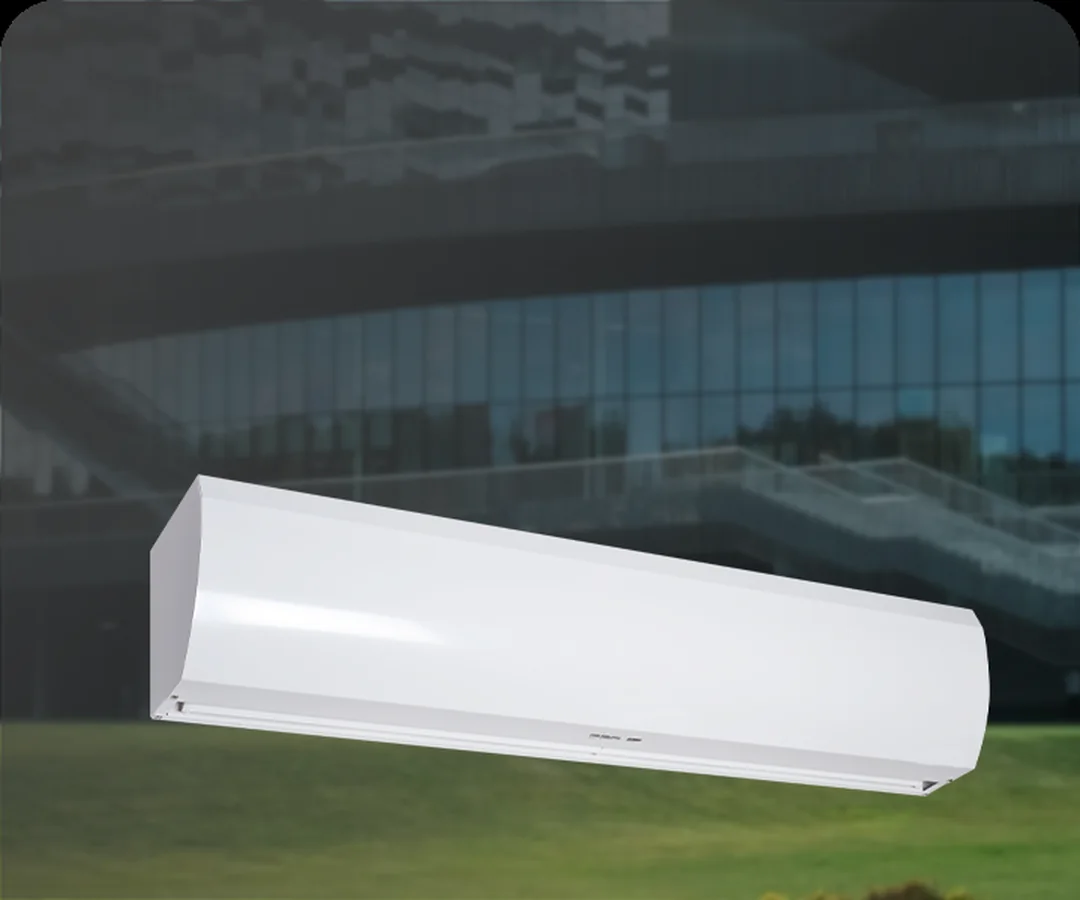
Installed air curtain above a commercial doorway

Anonymous cold-room doorway review

Scene: Temperature-separated doorway with staff traffic, frost or condensation notes, and mounting constraints.

Equipment path: Cold Storage Air Curtain, Air Curtains, and Air Curtain Sizing Calculator.

Useful buyer inputs: Finished door width, clear height, traffic frequency, room temperature, adjacent humidity, frost notes, voltage, controls, and header photos.

Use as a cold-room application proof brief; final temperature-separation language still requires project data and current model documents.

Open application

Warehouse inventory area for ventilation zone planning

Loading-area ventilation proof brief

Scene: Warehouse loading, storage, or equipment-room zone where airflow, heat, dust, or moisture needs early product direction.

Equipment path: Ventilation Fans, Cabinet Centrifugal Fans, Booster Fans, Exhaust Fans, and Dehumidifiers.

Useful buyer inputs: Zone dimensions, target CFM if known, door openings, duct route, voltage, service access, humidity or heat notes, and destination region.

Use as a warehouse application proof brief; timing, commercial terms, and final model data stay in the quotation and document request.

Open application

Story Paths

Commercial application story paths

Application stories should start with verified site context and project data before published case study claims. Until measured outcomes are available, these pages stay focused on project inputs, application fit, and product direction.

Installed air curtain above a commercial doorway

Cold Room Doorways

Temperature-separated openings, staff traffic, condensation notes, and mounting limits.

  • Door size
  • Room temperature
  • Traffic frequency
  • Frost notes
  • Mounting photos
Open application

Publishing Standard

Case study evidence checklist

A publishable case study should include enough verified project details for buyers to trust the application story.

Application first

Application first

Start each case study with the space type, project data, installation context, and product family fit.

Evidence before outcomes

Evidence before outcomes

Hold claims about results until photos, operating inputs, selected equipment, and outcome notes are available.

Private when needed

Private when needed

Customer names can stay private while the industry, region, equipment path, and project condition remain accurate.

Required item Why it matters Story wording rule
Project scene Shows the industry, space type, and operating condition. Use anonymous industry and region if the customer name is private.
Project data Explains why the product family fits the application. Publish door, room, CFM, humidity, or duct data only when confirmed.
Selected equipment Connects the story to a product family and series. Avoid listing claims unless model documents support them.
Outcome Gives buyers a reason to trust the solution path. Do not invent savings, noise reduction, or temperature improvement.

FAQs

Technical FAQs

How should buyers use these application proof briefs?

Use each brief to prepare the scene, operating inputs, product family, and document questions before a MiWind review. Customer names, measured savings, temperature changes, sound changes, or installed performance results should only be added when verified project evidence is available.

What makes a MiWind case study publishable?

A publishable story should include the industry or space type, project data, selected product family or series, installation context, and documented outcome details.

Can anonymous customer stories be used?

Yes. Customer names can remain private, but the industry, region, project condition, equipment path, and outcome language should still be accurate and supported.